Phoebe Shrestha
Classically trained violinist transforming traditional melodies into orchestral masterpieces. Experience the violin not just as an instrument, but as a voice that connects cultures and generations.
The Journey
From a simple Nepali violin to a Stradivarius model — finding my voice in the space between cultures
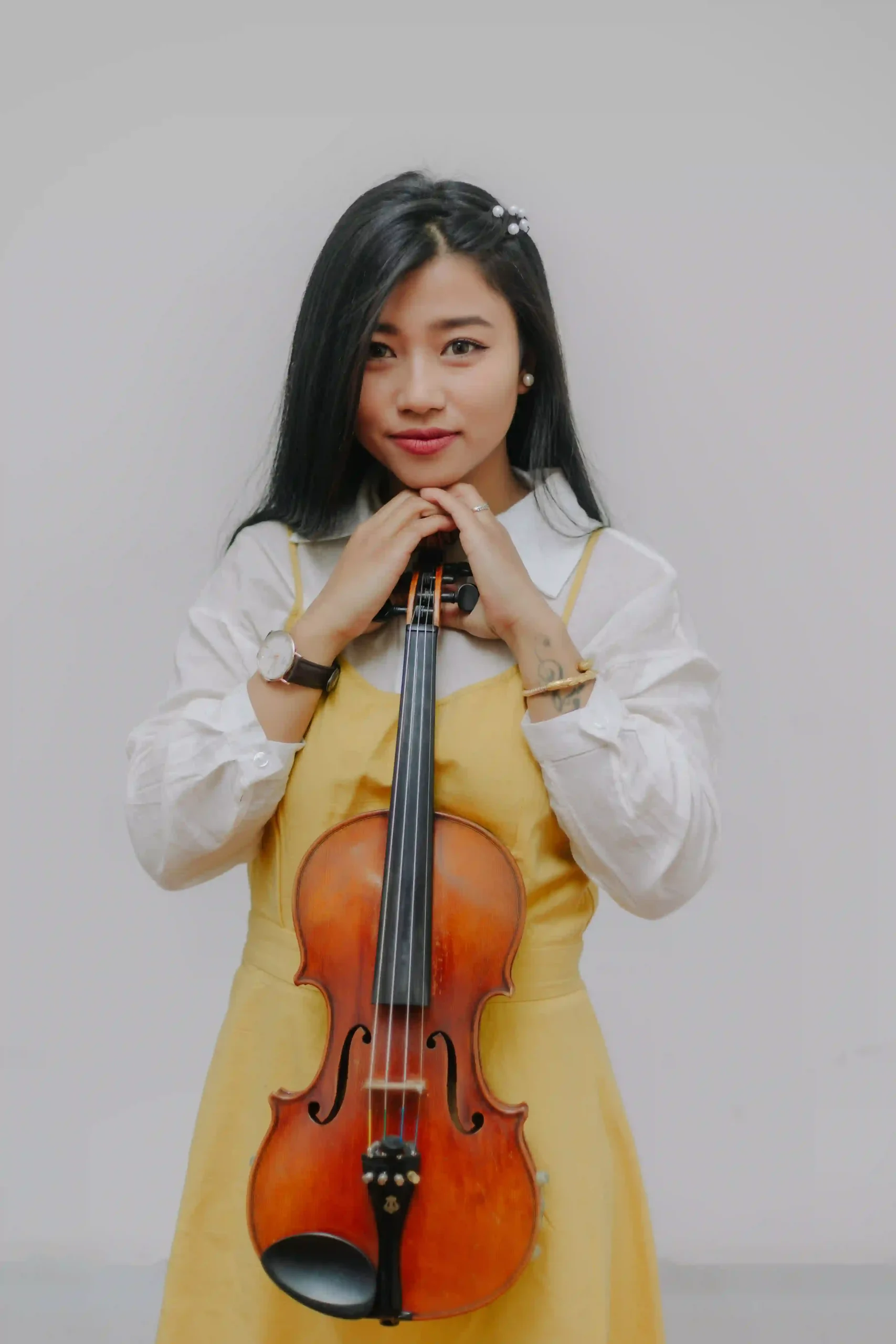
The Humble Beginning
My first violin was simple, affordable, and entirely Nepali. It was all I had, but it was enough to discover that this instrument could speak with my voice. The early days weren't about perfection; they were about persistence through the inevitable squeaks.
The Norwegian Gift
The turning point came unexpectedly. While playing with a visiting Norwegian orchestra, a musician recognized something in my playing and donated a high-quality instrument to me. That violin didn't just improve my sound — it changed my entire mindset.
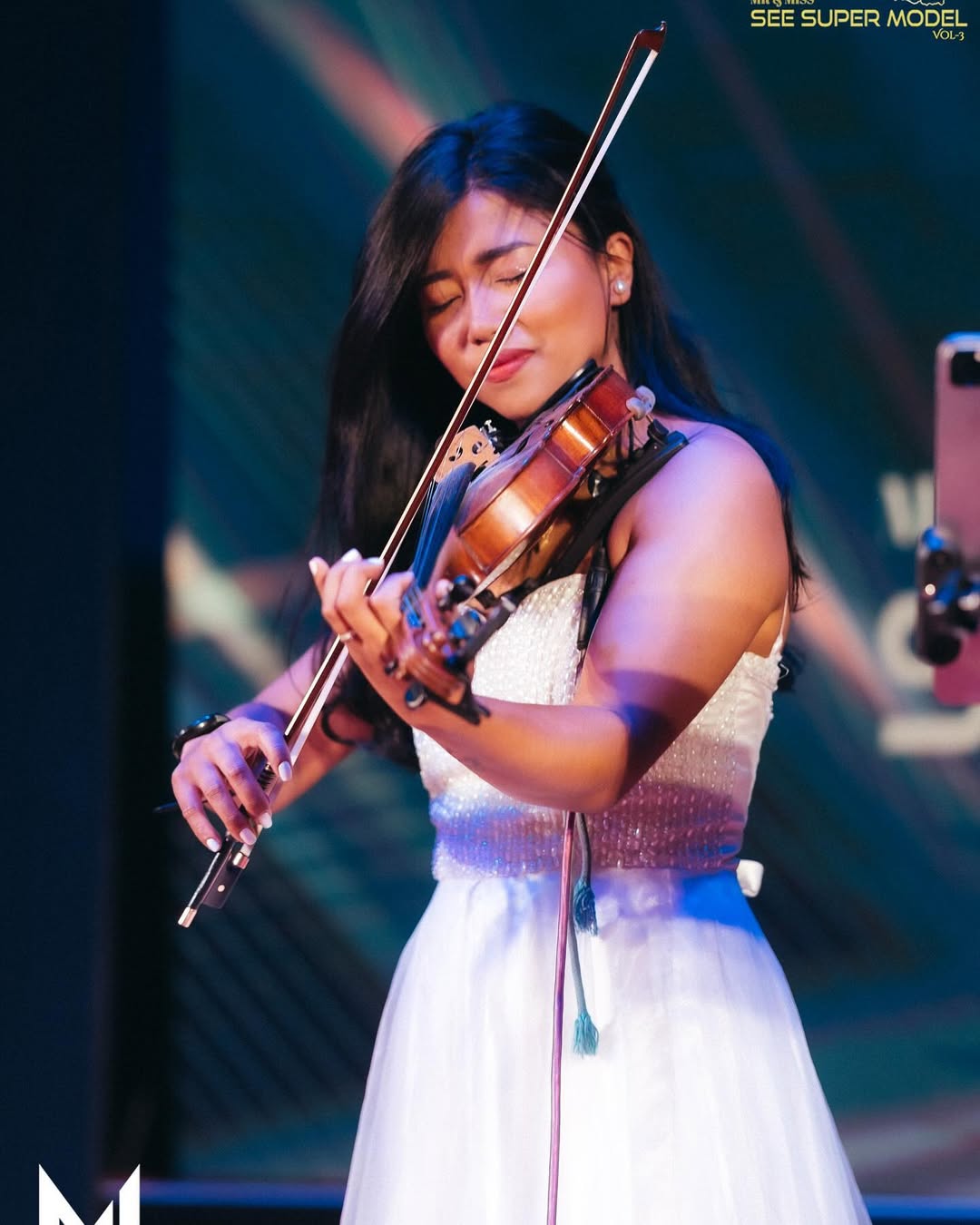
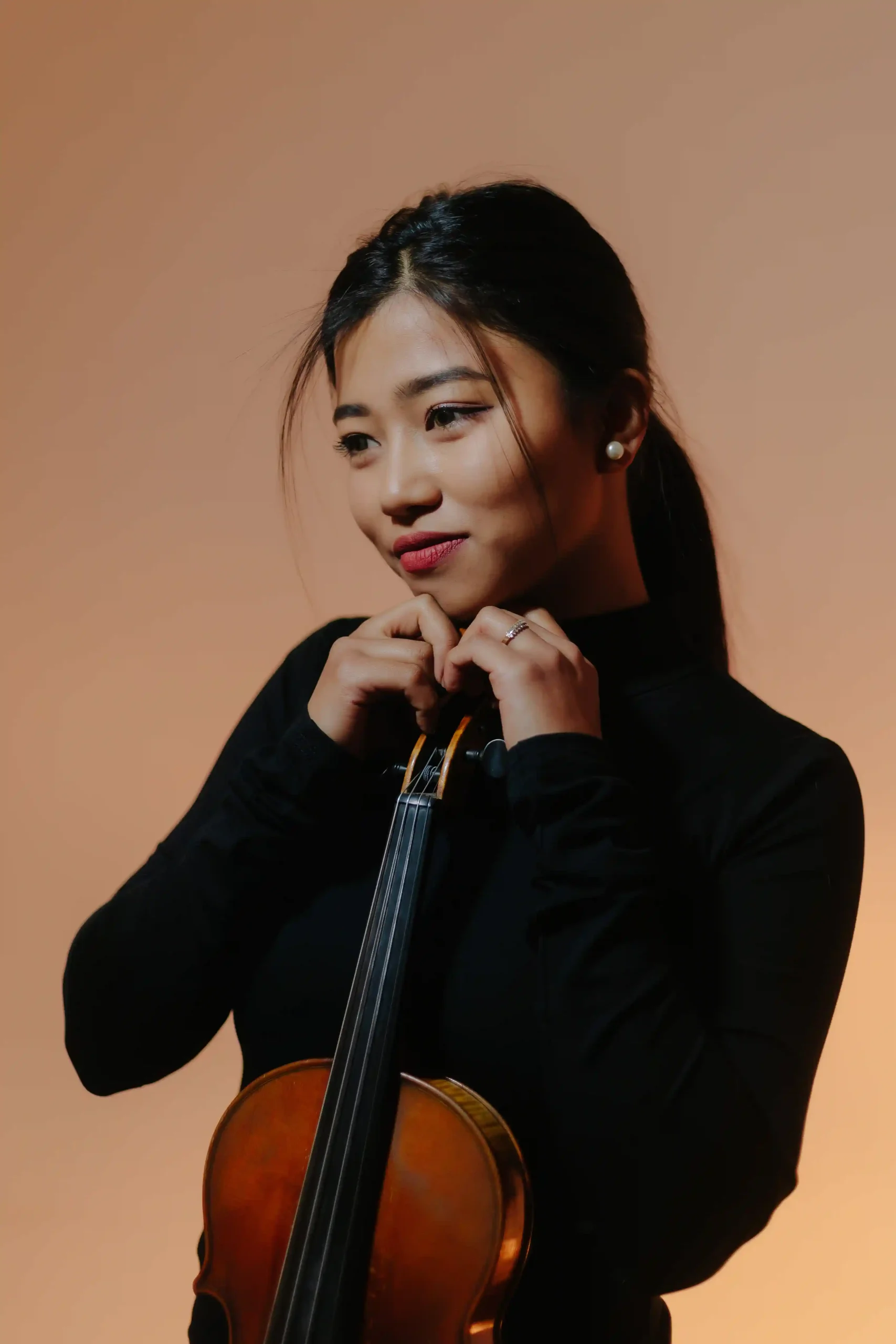
Focused Performance
Creating melodic magic in concert settings
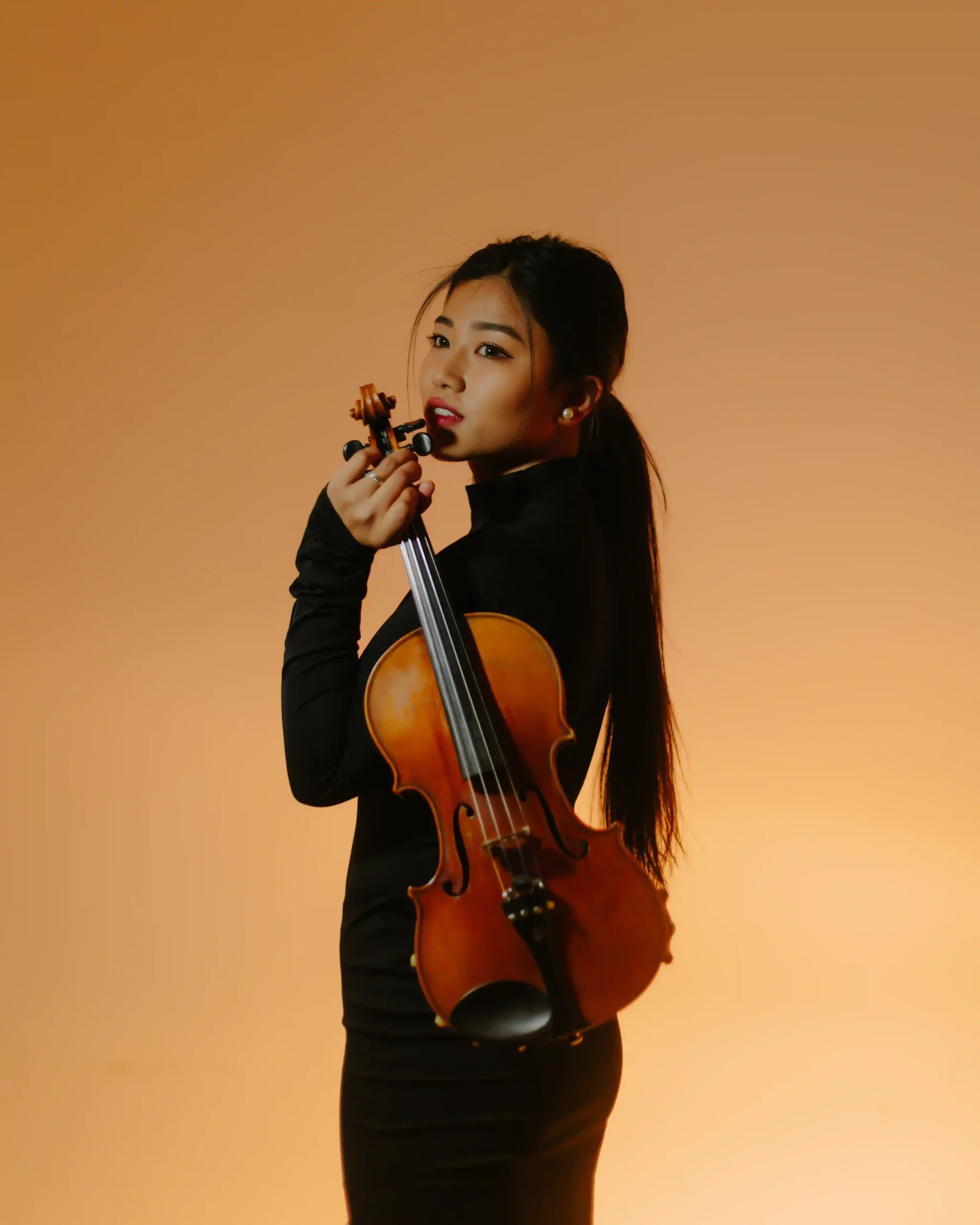
With Instrument
The violin as an extension of artistic expression
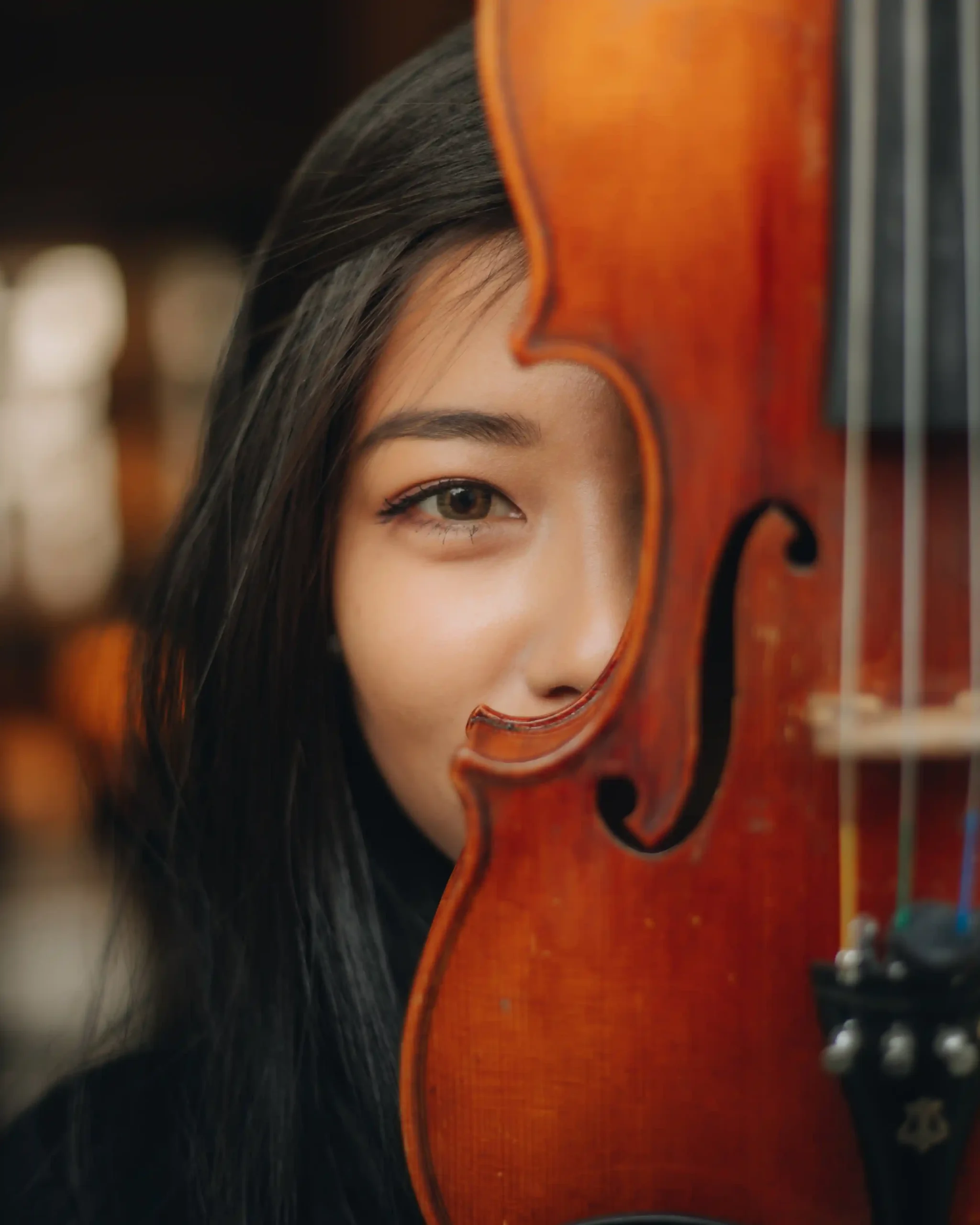
Teaching Moment
Sharing the language of melody with students
The Bridge
Navigating two musical worlds with equal fluency — Western classical foundation meeting Eastern raga soul
Western Foundation
My training is Western Classical — a world of precision, notation, and structured harmony. This foundation taught me discipline, technique, and the universal language of musical notation.
Eastern Soul
Nepali and Newari songs live in Eastern Ragas — fluid, emotional, and deeply connected to cultural memory. These melodies don't just follow rules; they follow feeling.
"By writing Western staff notation for Eastern melodies, I create a meeting point where precision carries soul to new audiences."
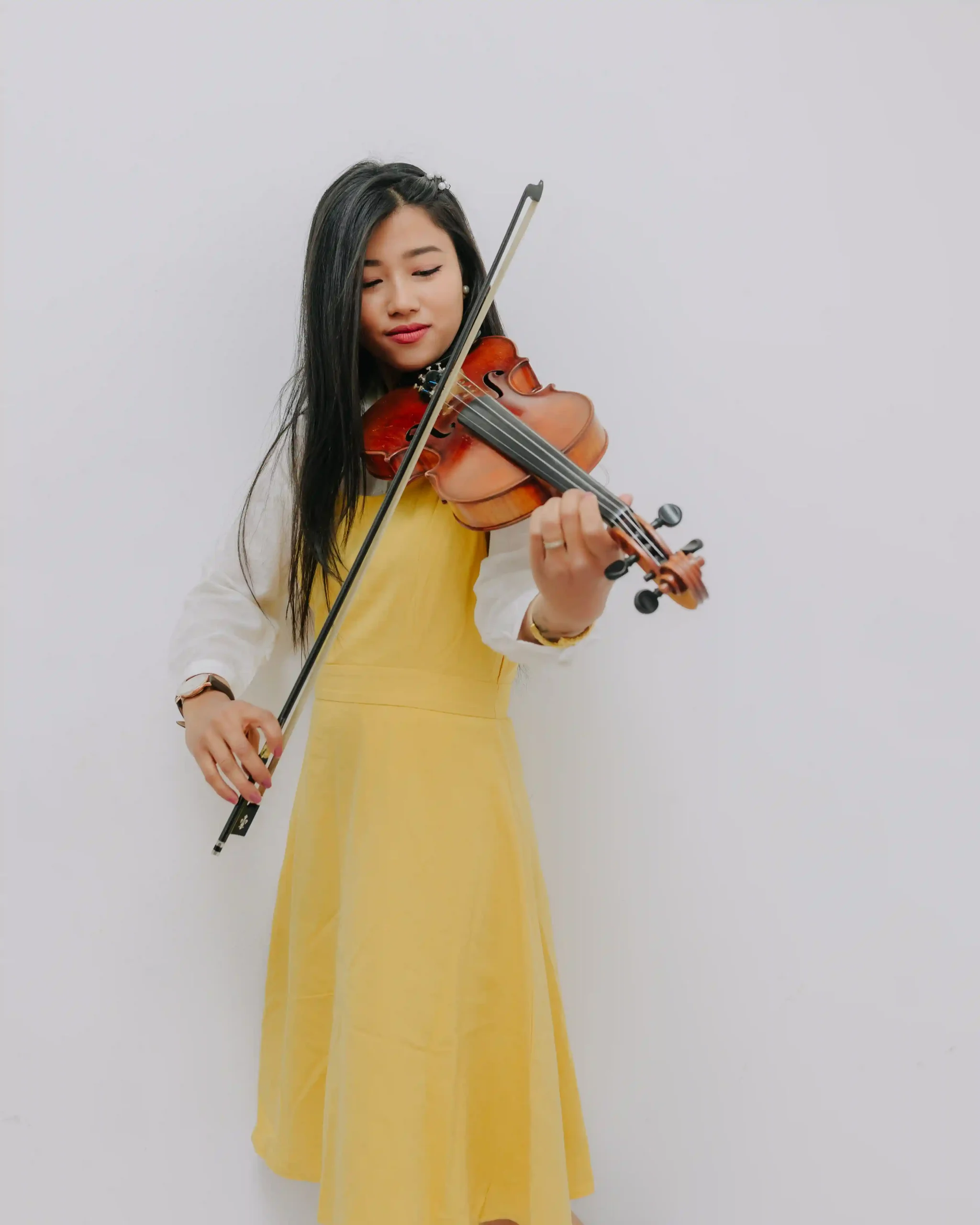
Cultural Fusion
Bridging musical traditions on stage
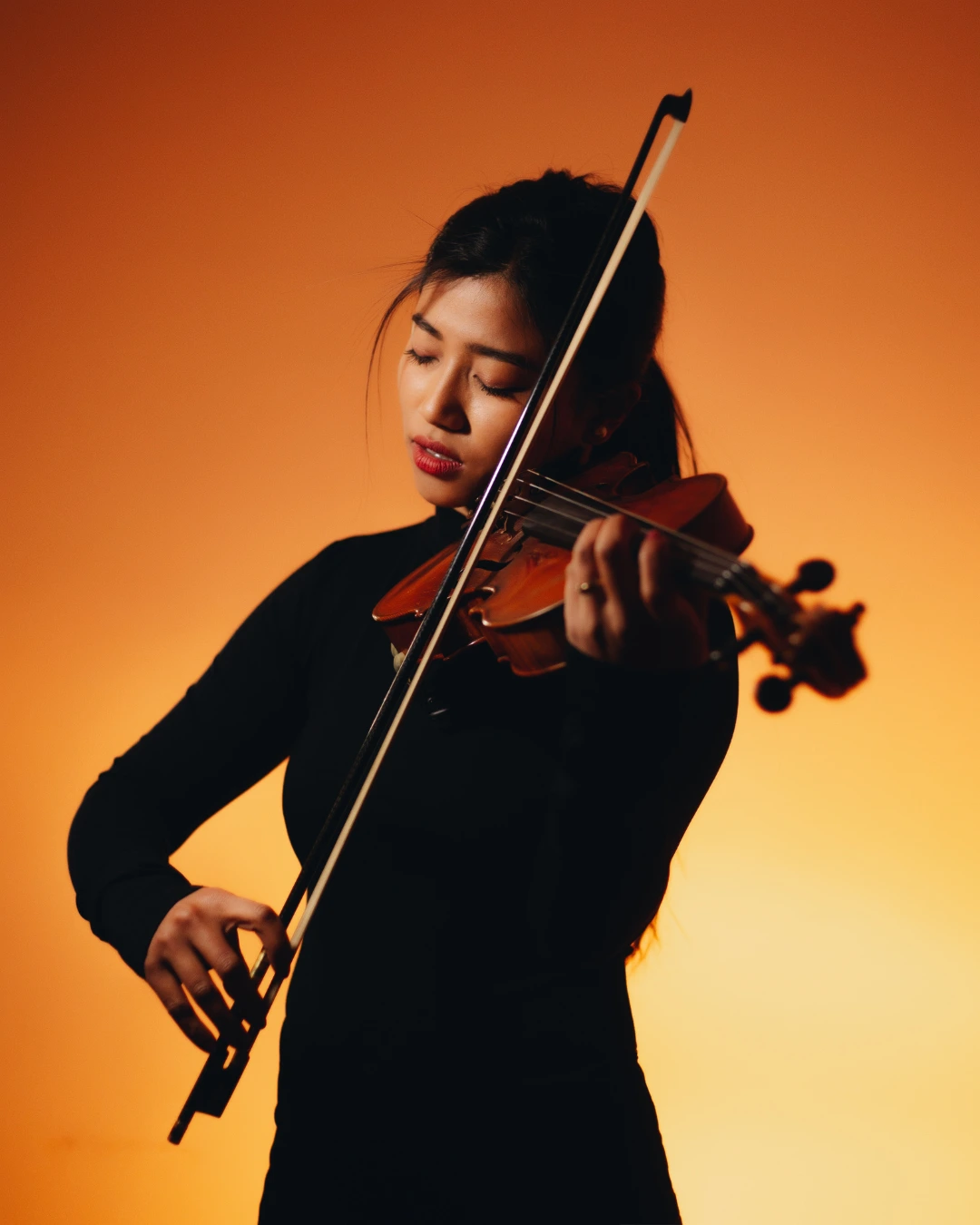
The Artist
Western classical specialist and educator
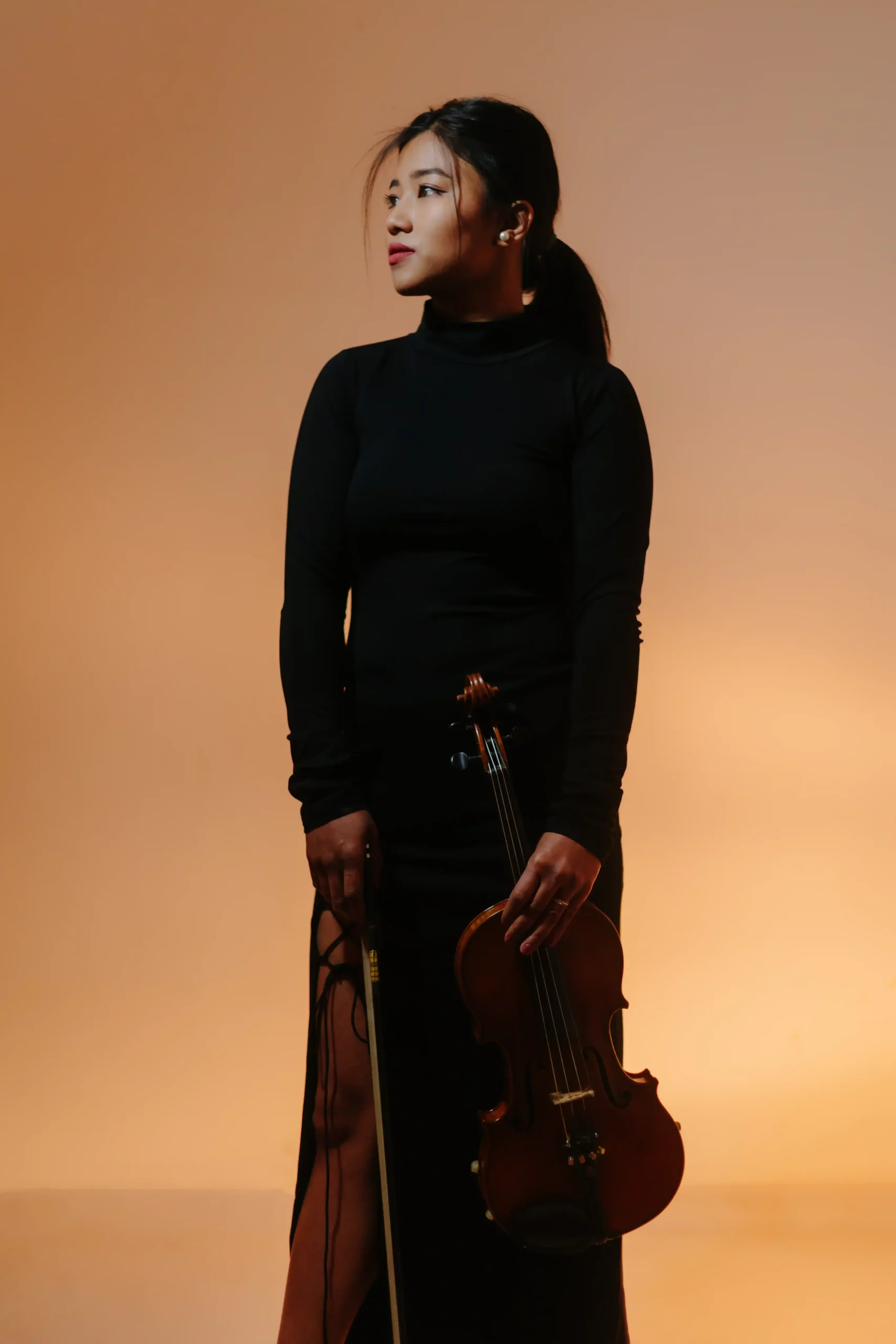
Artistic Expression
Violin as a voice between worlds
Performance Moments
When familiar melodies meet unexpected instruments — creating moments of connection and artistic revelation
Audience Revelation
"When I play familiar Nepali songs on the violin, the audience experiences a revelation — they feel the richness of Western tone in melodies they know by heart, creating a bridge between their cultural memory and new artistic expression."
Professional Recognition
"Nilish Dai, the bassist from Cobweb, once praised my showmanship. Coming from such a respected artist, that moment stayed with me as validation of bridging contemporary and classical approaches."
Intimate Connections
"Western Classical audiences in Nepal may be smaller, but they're deeply appreciative. Their focused listening creates an intimate musical conversation that's profoundly rewarding."
The Stradivarius Era
"Later, a conductor gifted me a Stradivarius model. Holding it felt like holding centuries of musical tradition. A quality instrument doesn't just allow you to play better — it demands that you rise to its level. My mission now is to pass this standard of excellence to my students."
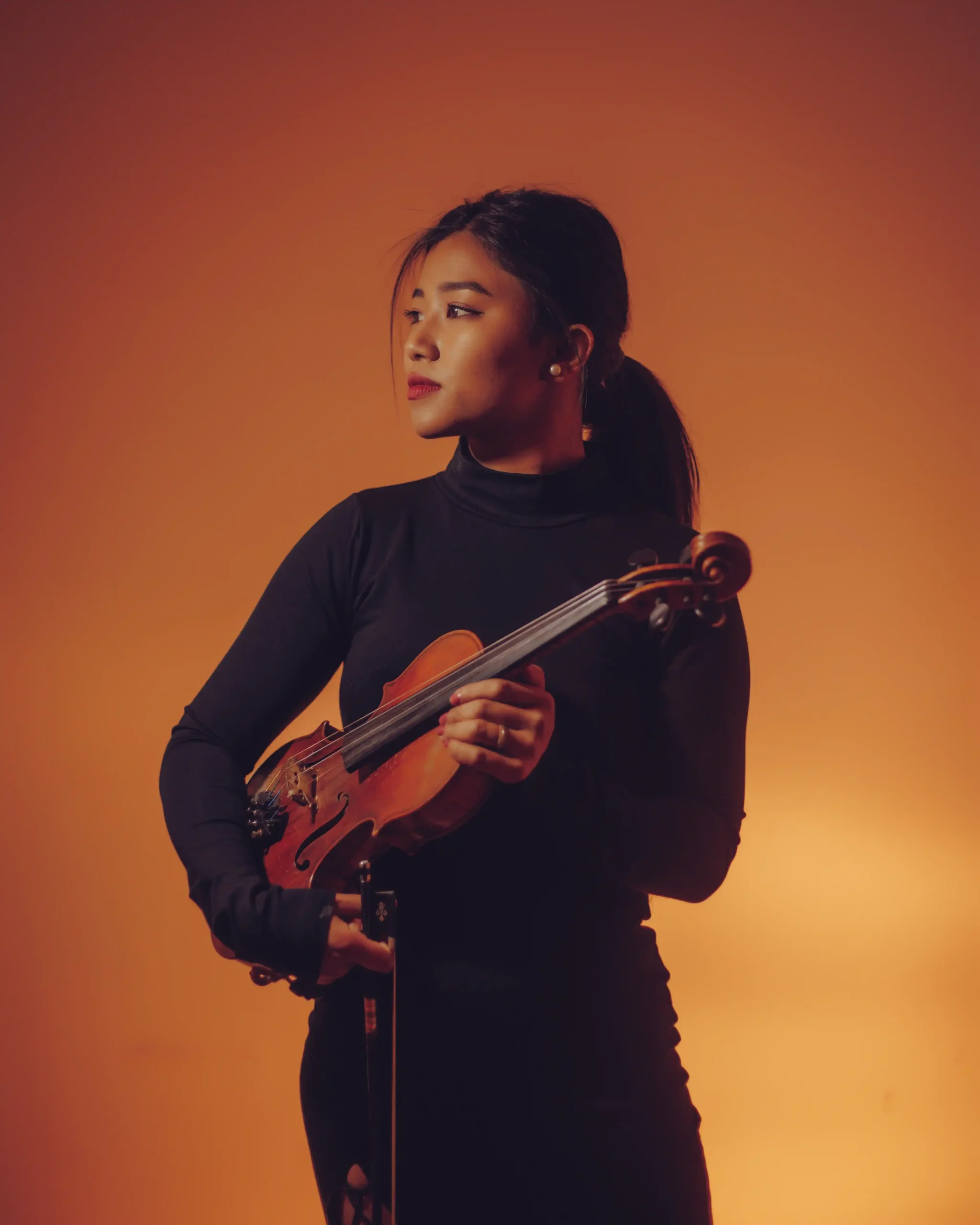
Teaching Philosophy
Violin isn't an instrument you play — it's a relationship you cultivate with patience, empathy, and intelligent practice
Counseling Before Technique
I start with understanding, not scales. The violin demands a long-term commitment in an age of instant gratification. We discuss patience, perseverance, and what it means to build a relationship with an instrument.
Reading as Liberation
I focus on staff notation first because reading music is liberation. Once a student can read, they can access any music in the world. We rehearse reading until it becomes second nature.
Every Hand is Unique
I treat every student differently because every hand, every body, every musical ear is unique. Using my own journey as a guide, I help students navigate challenges efficiently and effectively.
"Musicality is demanded, but talent is not the end of the line. Some are gifted; others must build it. With genuine interest and dedicated work, anyone can find their voice."
Teaching Technique
Focus on bowing mastery and musical expression
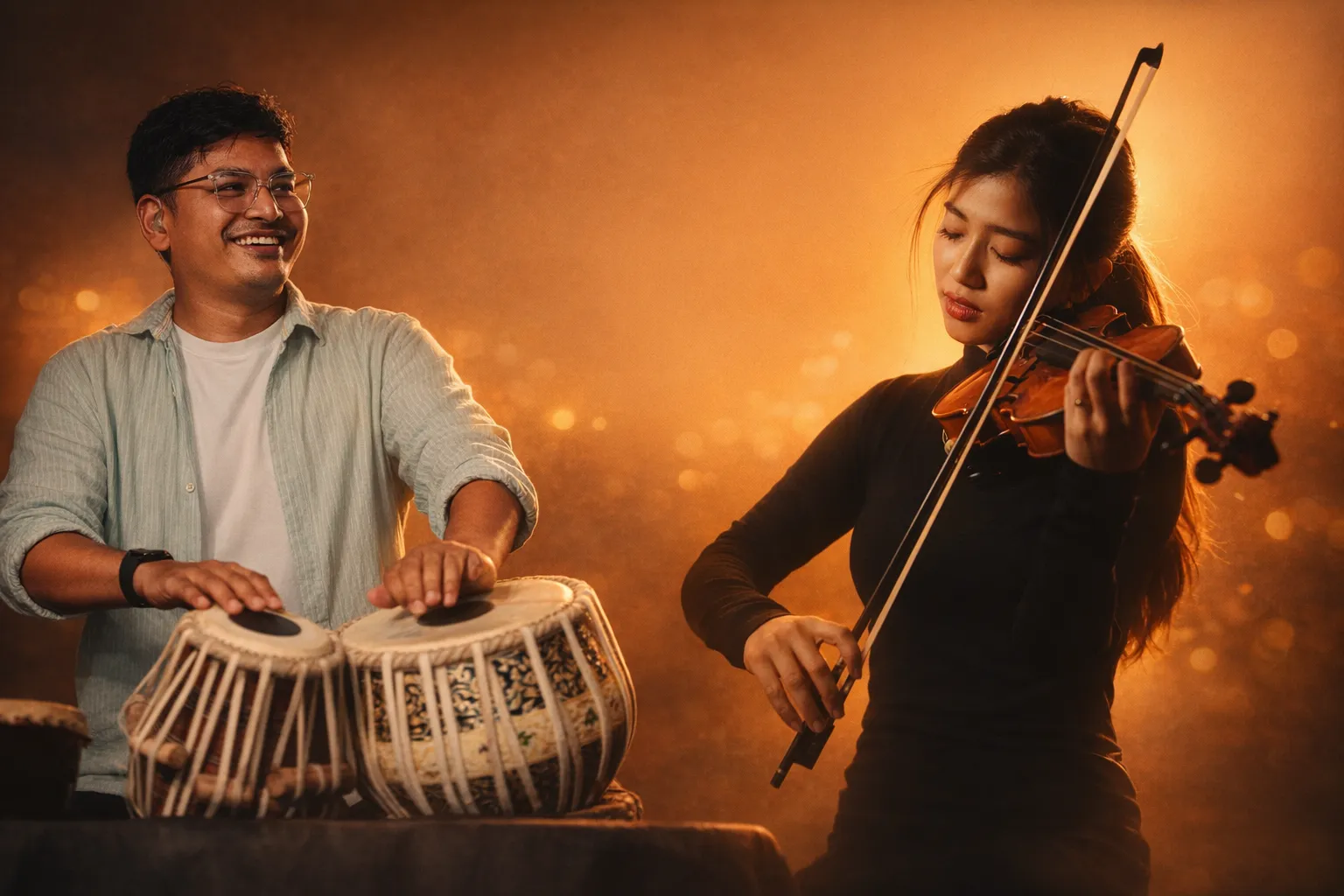
Musical Partnership
Rhythm and melody in perfect harmony
Artistic Demonstration
Showing what's possible with dedicated practice
Musical Partnership
How rhythm and melody learn to speak the same language
Practice Smart, Not Just Hard
"Before working with Jagannath, I would practice for hours on the same mistake. He showed me how to break problems down, fix musicality at the root, and elevate my playing through intelligent, focused repetition."
Musical Friendship
"He is my musical partner first. Our collaboration isn't just about playing together; it's about understanding how our instruments can have a conversation that neither could have alone, creating something greater than the sum of its parts."
"Jagannath taught me that rhythm and melody must understand each other to truly work. Now I teach my students to feel the pulse in every note, to understand that melody without rhythm is like a sentence without punctuation."
Beyond the Music
What fills the space between performances and teaching
For Energy & Joy
Pop and Rock — music that energizes and celebrates life's moments
For Focus & Clarity
Soothing, meditative tracks — creating space for creativity and calm
Home & Heritage
Jagannath's Eastern Classical music — connecting to roots and finding peace
The Artist
Beyond the performance, a lifelong musical journey
Artistic Vision
The space between notes holds the music's true meaning
Cultural Ambassador
Where musical worlds meet and create new possibilities
"Music exists to serve the moment, not just technique. Whether it's energy for happiness, calm for focus, or tradition for connection — music can be both heritage and discovery."