JAGANNATH DHAUGODA
Where mathematics meets music. Where tradition dances with innovation. I don't just play tabla — I build rhythmic structures that become the heartbeat of every composition.
THE ORIGIN
The moment rhythm chose me — a 5-year-old boy captivated by the heartbeat of Anup Jalota's bhajans
The Cassette Awakening
My father's cassette player became my first guru. Anup Jalota's bhajans weren't just spiritual melodies — they were my introduction to complex taal structures. At 5, I wasn't just listening; I was decoding.
Hands Before Theory
I felt the beats before I understood them. My hands would move instinctively, tapping out patterns on whatever surface was available. The tabla wasn't an instrument I chose; it was a language my hands already spoke.
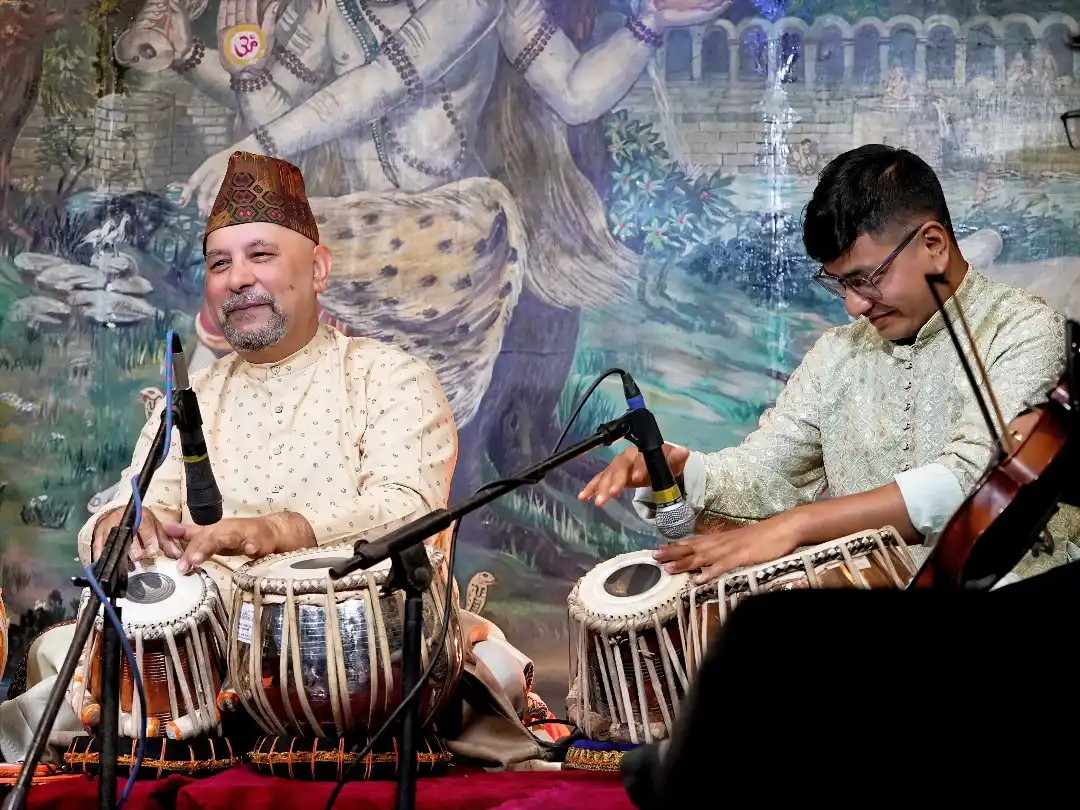
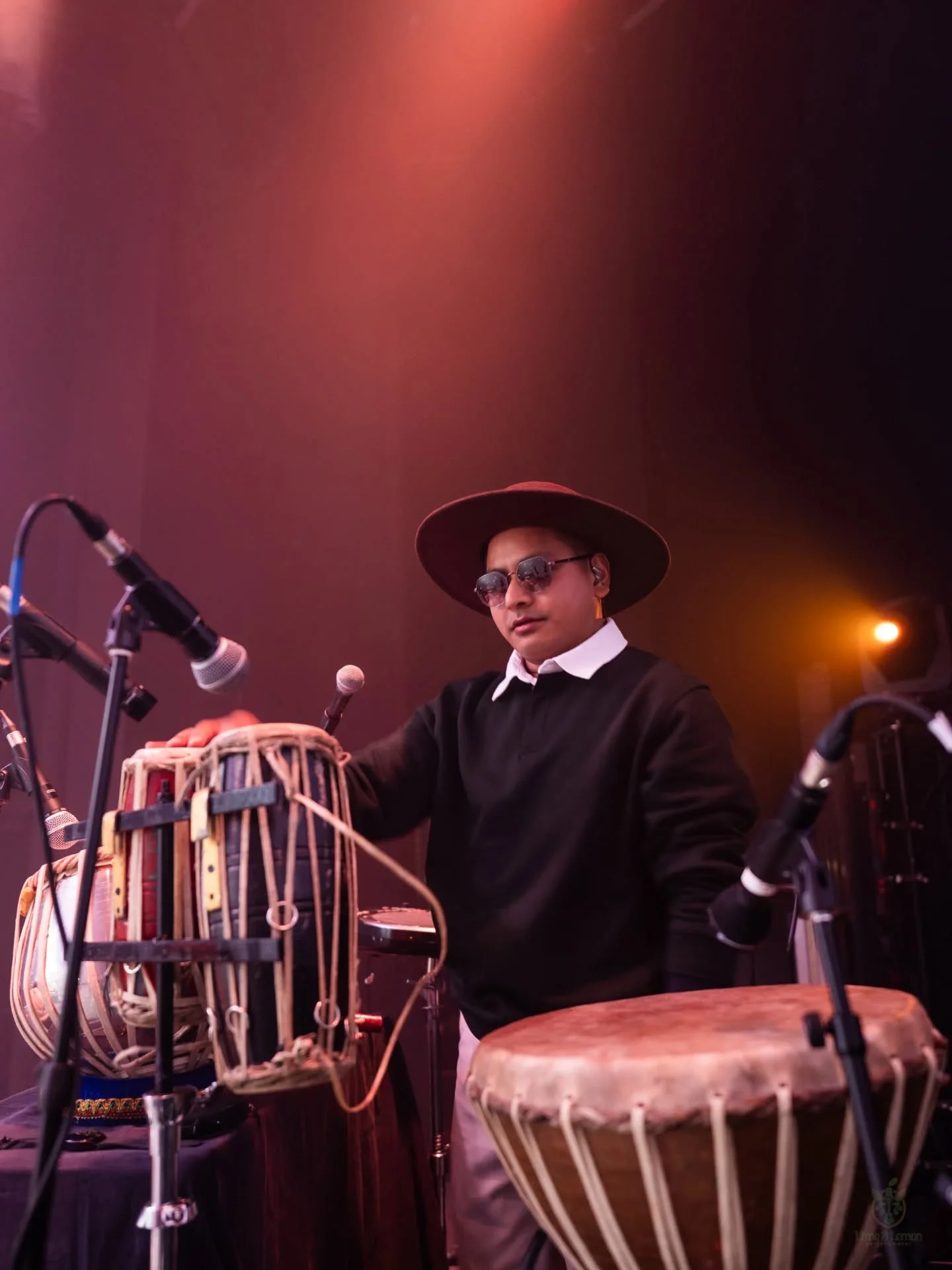
Live Performance - Creating rhythmic magic on stage
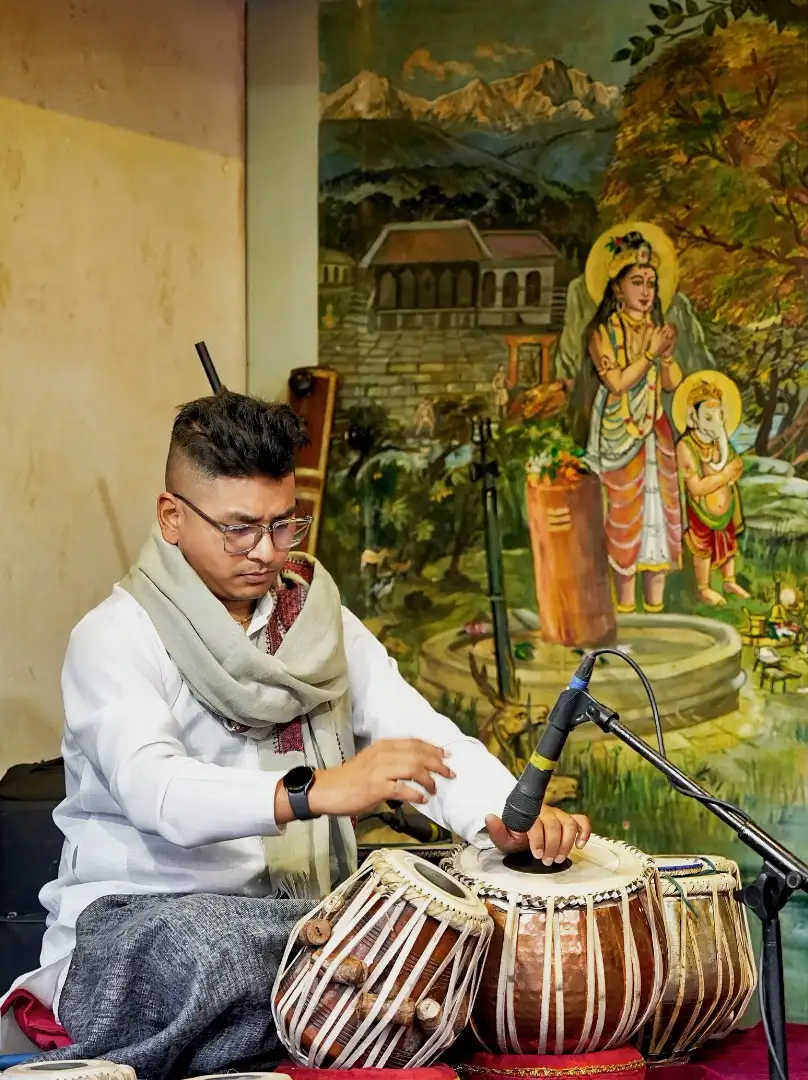
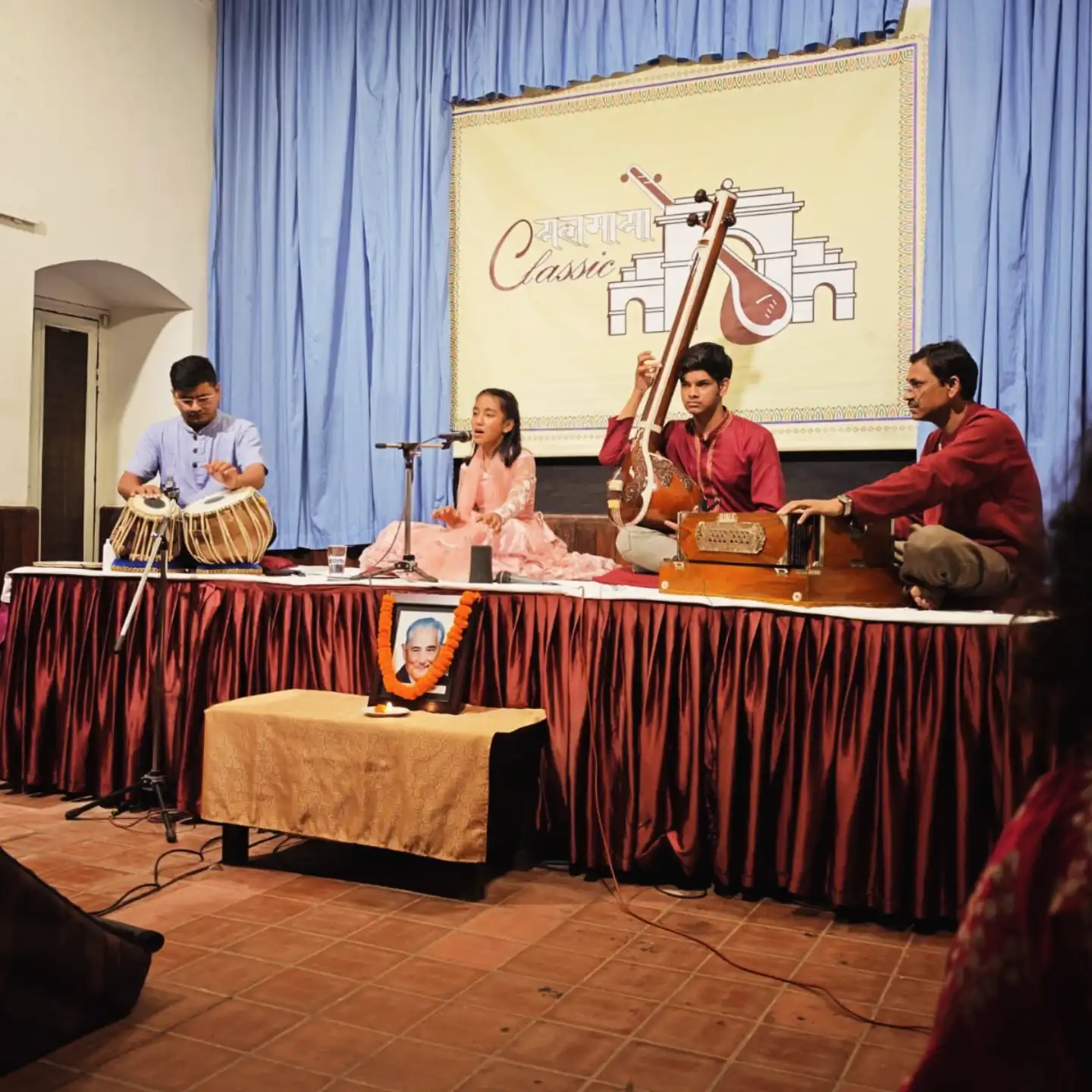
Teaching Moment - Sharing the language of rhythm
With Instrument - The tool of rhythmic expression
THE PROFESSIONAL
Transforming accompaniment into the main event — redefining tabla's role in contemporary music
The Zone of Absolute Flow
Playing with Sukarma at Yalamaya alongside Nagendra Rai — I disappeared. The tabla wasn't an instrument I was playing; it became an extension of my consciousness.
Tabla as the Hero
Most see tabla as accompaniment. I see it as architecture. By layering catchy, distinct rhythms that grab the ear mathematically, I build structures where tabla becomes the melody.
Three Generations, One Stage
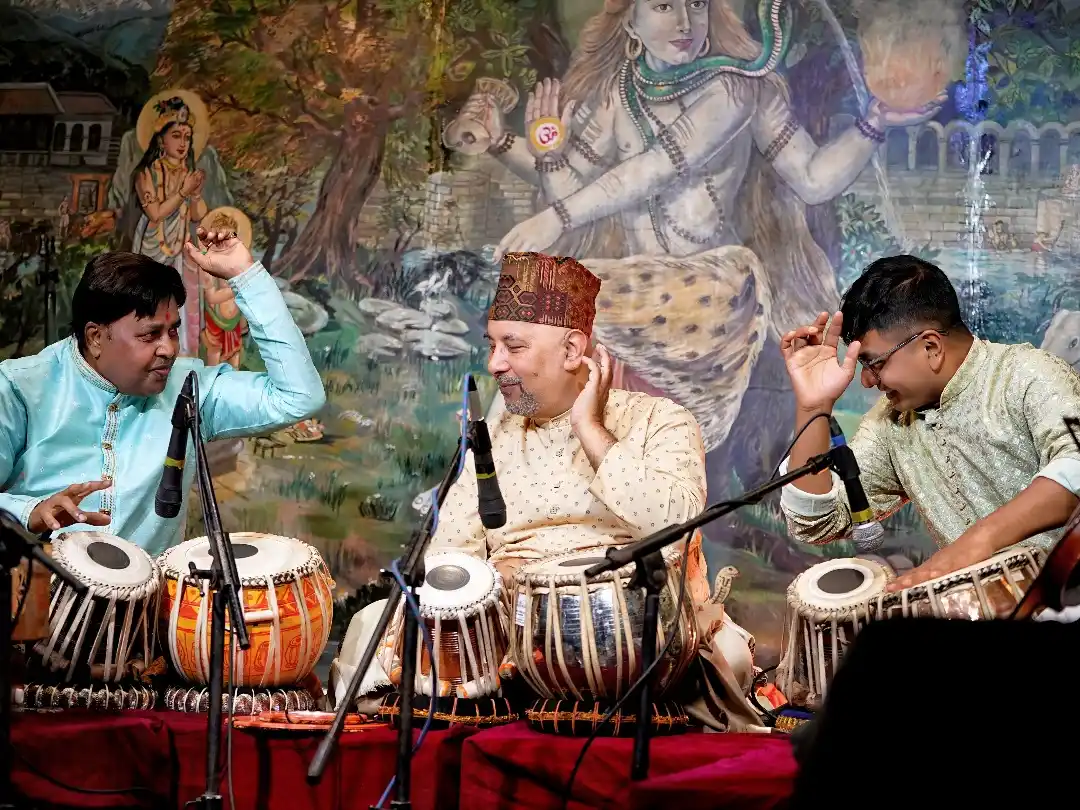
Performing with my Guru, his Guru, and myself — three generations of musical lineage on one stage. I wasn't just playing music; I was becoming a bridge between eras.
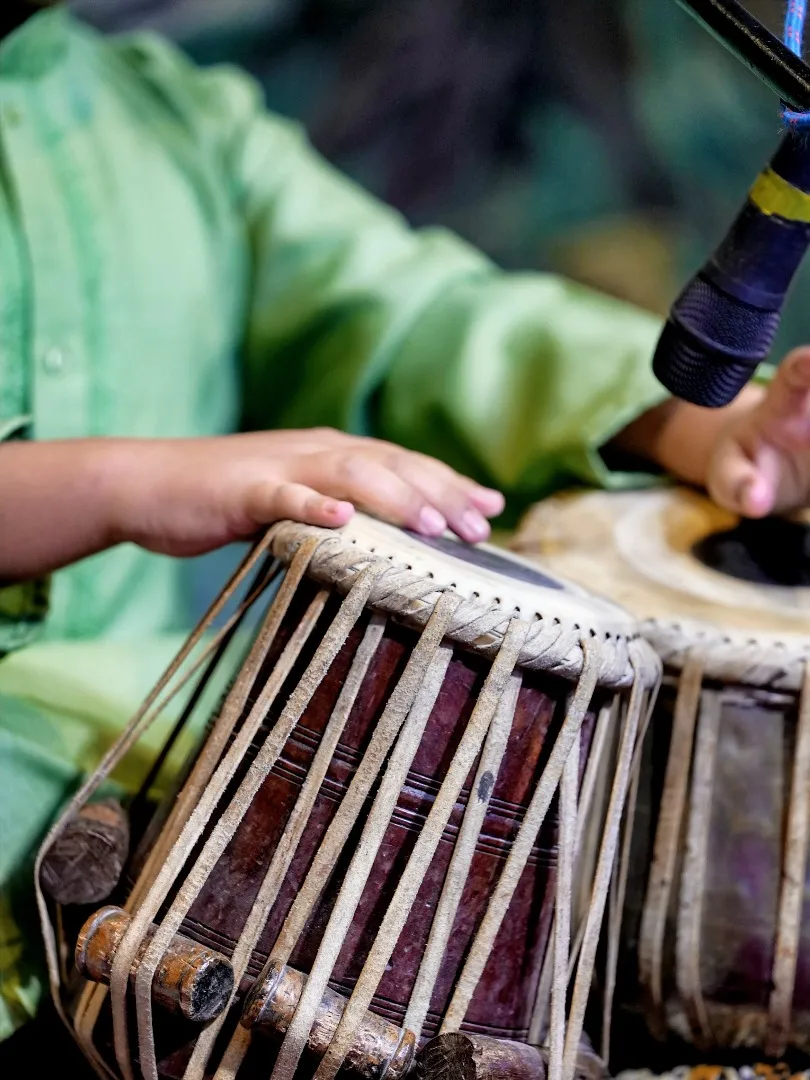
The Mathematics of Music
It's all about the math. If you can count, you can play. The standard 16-beat cycle fits our cognitive patterns naturally. Break any complex taal into its numerical components, and suddenly it's not intimidating — it's elegant.
Rhythm as Life Principle
In Nepal, we ask "Ke taal ko manche?" — "What is his rhythm?" Your heart beats in time. You walk in time. Conversation has rhythm. When that rhythm breaks, you fall.
THE PHILOSOPHY
Teaching isn't about transferring knowledge — it's about awakening the rhythm that already exists within
Demystifying the First Lesson
Beginners don't need speed; they need foundation. We start with simple sums, treating rhythm like a mathematical puzzle.
Practice with Purpose
Grinding mindlessly for hours is nonsense. Smart practice means identifying weaknesses and building strength deliberately.
Rhythm as Life Principle
In Nepal, we ask "Ke taal ko manche?" about difficult people. Life itself is rhythm. Everyone has a natural beat.
The Percussion Station - Where rhythm is crafted
In Performance - The zone of absolute flow
Teaching Session - Passing on the tradition
THE JOURNEY
From cassette tapes to concert halls — milestones in a lifelong conversation with rhythm
The Awakening
First encounter with tabla through father's cassette player. Hands begin moving instinctively to Anup Jalota bhajans.
First Guru
Formal training begins under local maestro. Learns that tabla is mathematics made audible.
Professional Debut
First major performance at Kirateshwar. Experiences the electric energy of live classical stage.
Collaboration Era
Begins working with major bands like Sukarma. Develops signature style of making tabla the "hero" of compositions.
The Mentor Phase
Teaching next generation at Vedansh Music School. Focus on rhythm as life skill, not just musical technique.